Metal additive manufacturing for marine energy.

4 December 2025
Author: Aimee-May Graham

Collaboration with

Traditional manufacturing methods can't produce the complex, corrosion-resistant components needed for marine renewable energy. When NREL researchers needed to create a structural spar for tidal turbine blades, conventional approaches failed to handle the geometric complexity required for ocean environments.

The marine manufacturing problem.

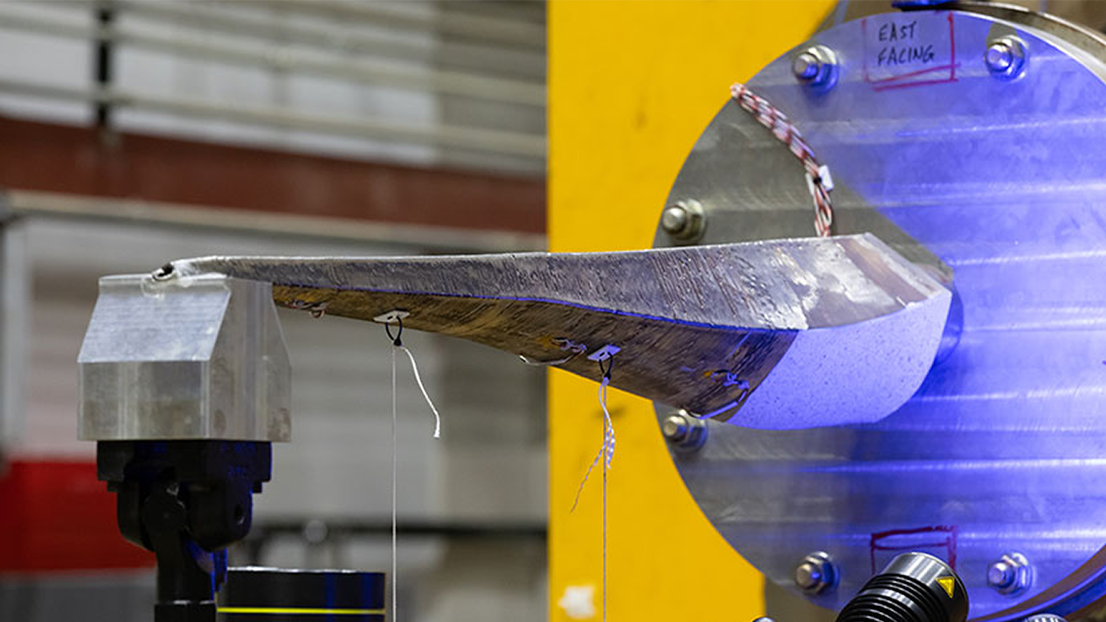
Marine hydrokinetic turbine blades must withstand enormous ocean forces while following complex geometries that change continuously along the blade span. The structural spar acts as the blade’s backbone, requiring a component that twists, tapers, and shifts positions while maintaining structural integrity. Traditional manufacturing would demand multiple components and extensive assembly, creating weak points and inflating costs.
Solving complex geometry challenges.

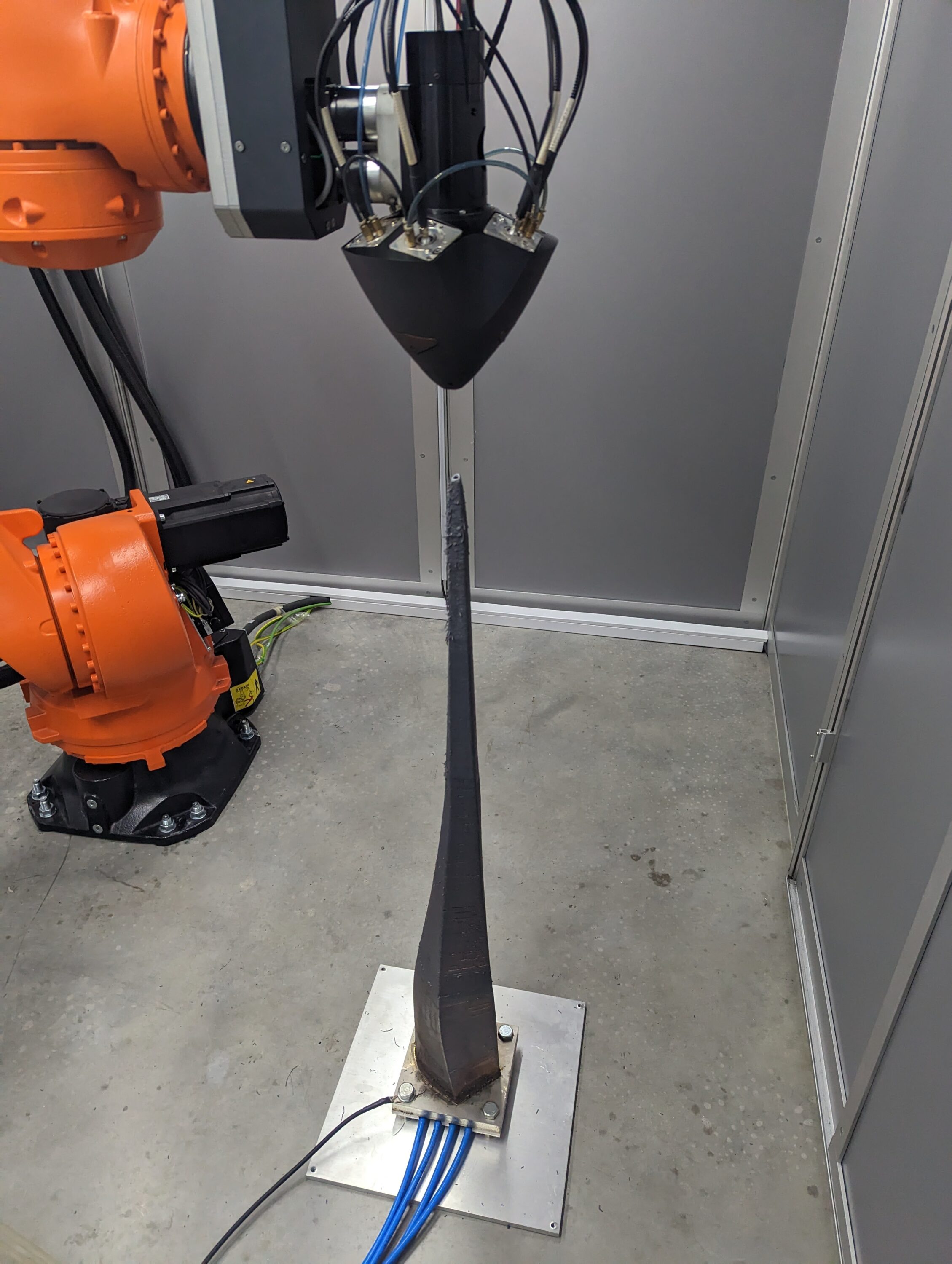
NREL’s breakthrough came through Aibuild’s software working with a Meltio wire laser metal deposition system on a KUKA robotic platform. This combination produced what researchers call “perhaps the largest of its kind for marine current energy conversion” using 316L stainless steel.

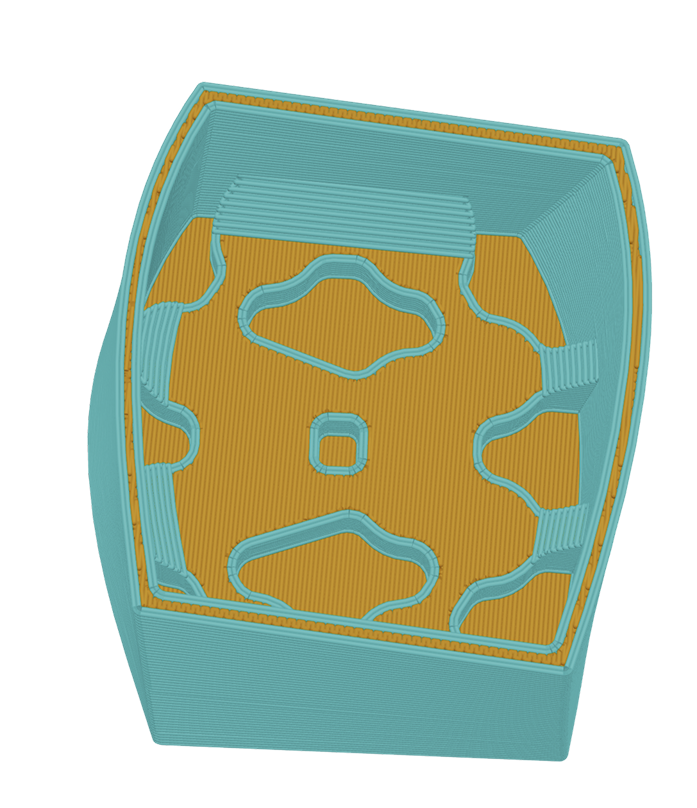
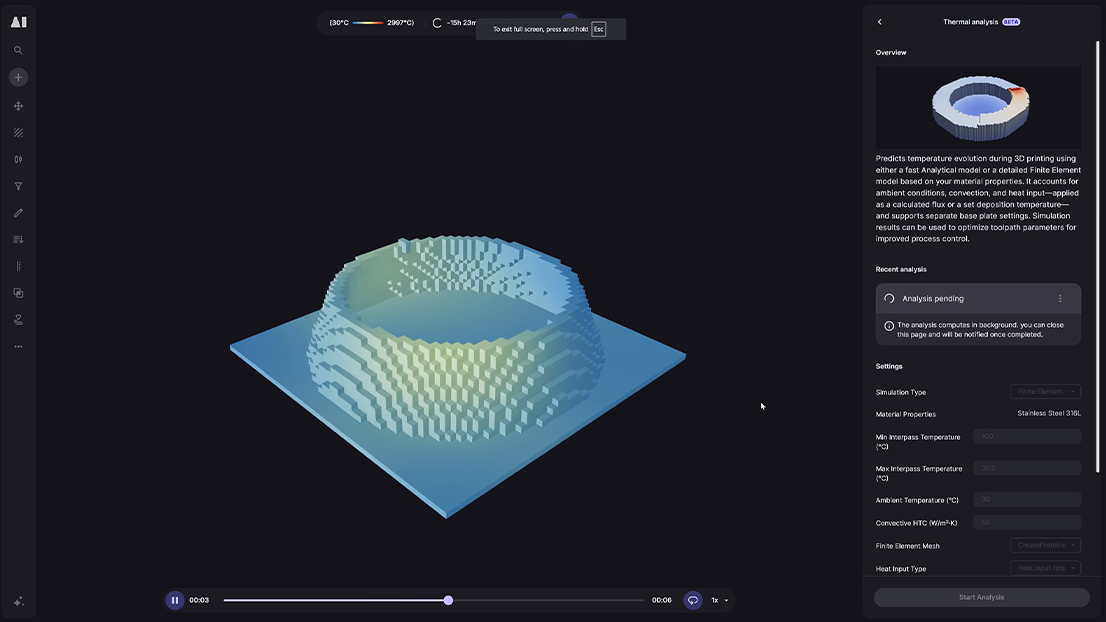
Aibuild’s intelligent toolpath generation managed continuously changing cross-sections that would overwhelm conventional CAM software. The system handled the spar’s transition from 40% to 30% chord position while tapering and maintaining varying wall thicknesses across a 1.05-meter span.

What made Aibuild essential.

Aibuild’s continuous motion technology eliminated the layer-to-layer jumps that plague traditional 3D printing software, creating smooth, uninterrupted deposition essential for structural integrity. The software determined optimal printing planes for the complex overhang geometries that conventional CAM software couldn’t handle.

“The resulting geometry was a singular component that could not be easily replicated with conventional manufacturing approaches.”
Paul Murdy.

Final thoughts.

This part transforms theoretical marine energy designs into manufacturable reality. By removing geometric constraints, Aibuild software enables engineers to optimize for ocean performance rather than manufacturing limitations.

As NREL researcher Paul Murdy noted, this approach “opened a really unique design space through 3D printing.” The result: a single component replacing multiple traditionally manufactured parts, reducing assembly complexity while improving structural performance.