Reducing pattern costs and carbon emissions through robotic LFAM

6 January 2026
Author: Aimee-May Graham

Collaboration with

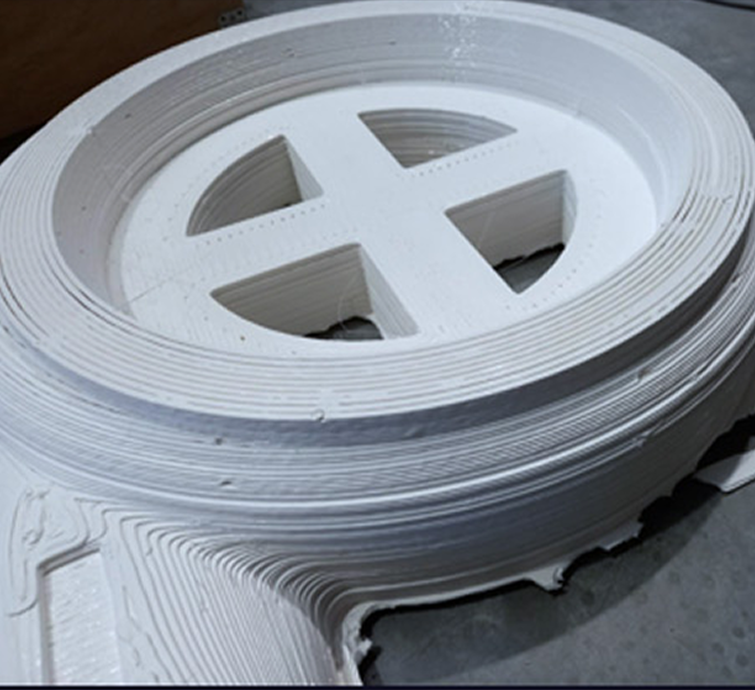
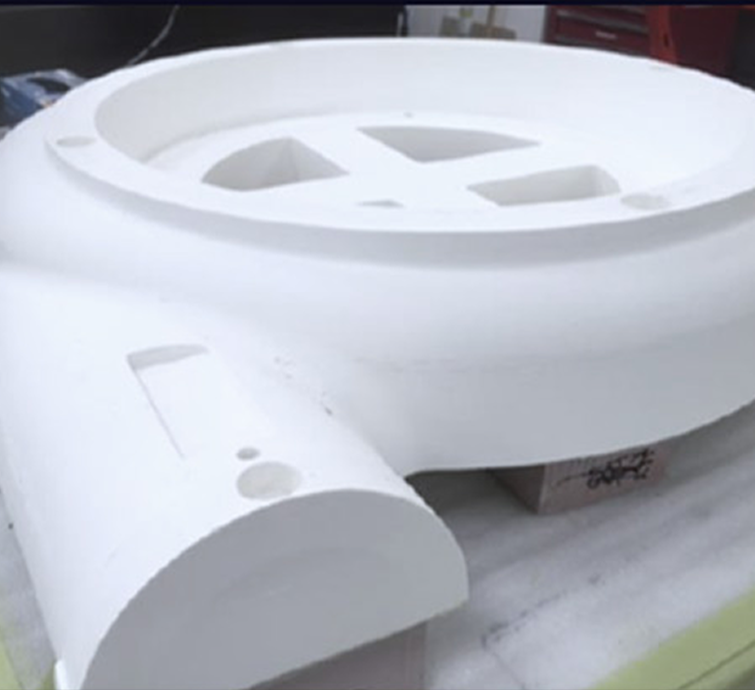
Wooden sandcasting moulds typically undergo a 10 stage labour intensive manufacturing process which is costly and time-consuming, Additionally, any required design modifications further increase production time and cost. These expensive wooden patterns also have to be suitably stored.

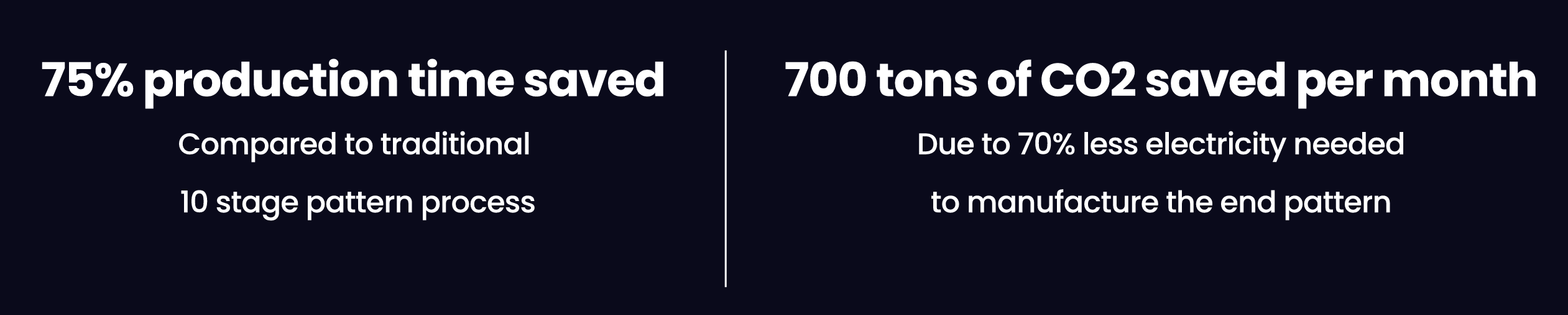
We worked with Weir, a market leader in mining and mineral processing equipment to test if additive manufacturing could produce a more carbon friendly and cost efficient option. The results showed additively manufactured thermoplastic patterns reduced production time by around 75%, required 70% less electricity during manufacturing, which equates to 700 tons of CO2 per month saved. The additive manufactured patterns are also easy to modify and can be produced in recycled material, which can be ground up and reused for subsequent patterns, typically saving 20% of energy and material compared to traditional wooden patterns.
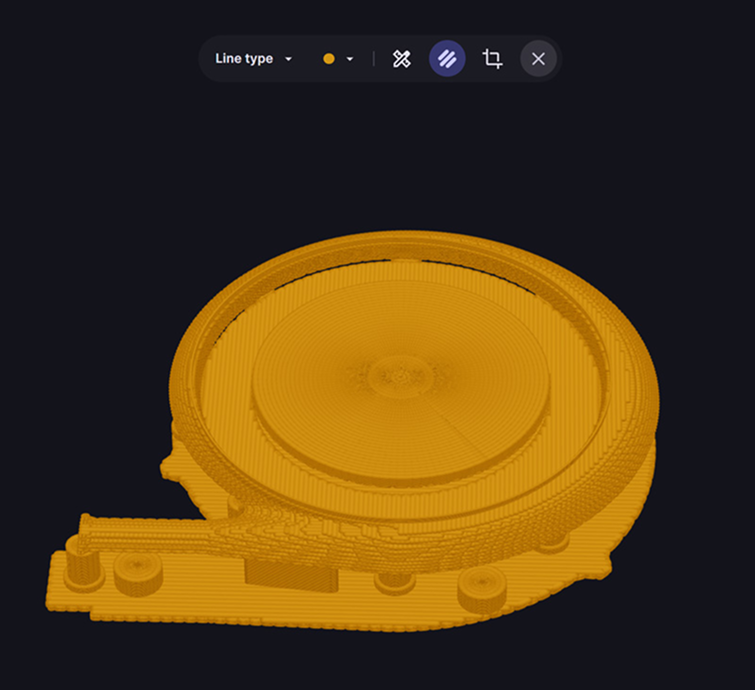
By using multi axis robotic 3D printing powered by Aibuild, we achieved a further 30% reduction in manufacturing time compared to traditional 3 axis 3D printing. The intelligent printing strategies enabled by Aibuild software, including variable thickness, variable speed and variable infill density, were key to driving down production time and costs.

The end results saw Aibuild powered robotic LFAM produced sandcasting patterns that were more cost effective, quicker to manufacture, and easily recyclable, with materials reusable for future sandcasting patterns. The test sandcasting pattern has currently undergone 150 production runs with no part or performance degradation